It is prepared by comminuting and mixing with the aid of heat from selected cheddar cheese, although Swiss, Limburger, Brick and others are sometimes used.
The mixture is pasteurized for 3 minutes at 150 °F and salt is added. The careful selection of cheeses, emulsifying salts and processing factors allows making process cheeses of varied textures suitable for many end uses.
The emulsifier added is sodium citrate, disodium phosphate, or other additive that will be effective in binding the high fat content of the natural cheese ingredients with water that is added to the process cheese to produce a more soluble, homogenous, and smooth cheese that can withstand higher heat than natural cheese without coagulating.
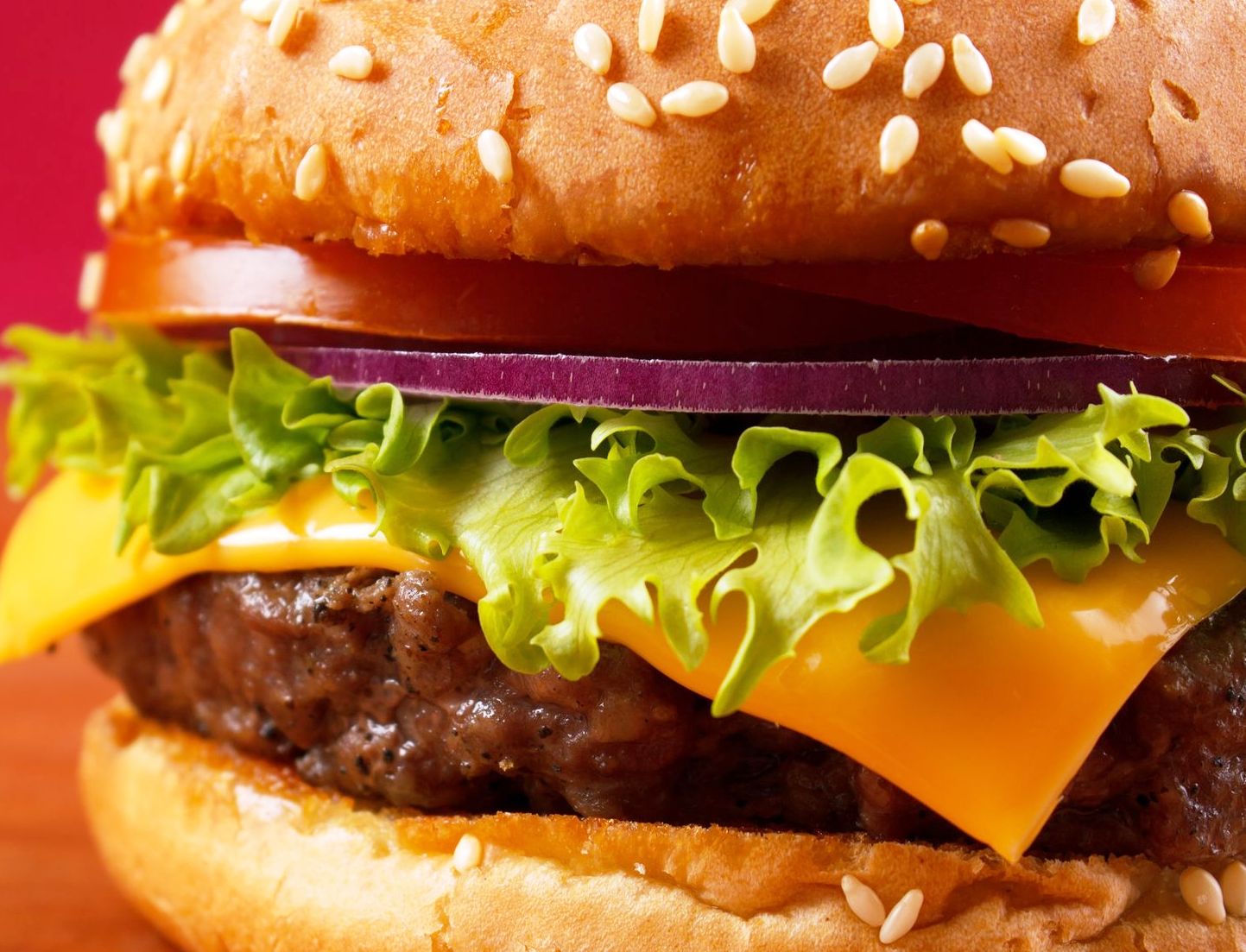
Approximately one-third of the cheese produced in the United States is marketed as a pasteurized process cheese. Fast-food giants like McDonald’s and Burger King rely in the consistency in flavor and melting qualities of pasteurized process cheese.
The flavor of process cheese depends largely upon the favor o the cheese used which may be modified by flavoring materials added.
Process cheese sometimes called processed cheese or pasteurized process cheese, is convenient not only for food service, the primary user, but also retail because these cheese are available in regular and reduced-fat varieties, chinks, cubes, spreads, loafs, slices as well as in grated or shredded applications. Process cheese may be used in main dishes, for snacks and cheeseburgers, with cold cuts and salads on grilled or toasted sandwiches in numerous sandwich combinations and in casseroles.
Processed cheese (or process cheese)

