DRIs are dietary reference values for the intake of nutrients and food components by Americans and Canadians.
They are references values that are quantitative estimates of nutrient intakes to be used for planning and assessing diets for healthy people. Collectively referred to as the Dietary References Intakes, the DRIs include four nutrient-based reference values that are used to assess and plan the diets of healthy people. The reference values include the Estimated Average Requirement (EAR), the Recommended Dietary Allowance (RDA), the Adequate Intake (AI), and the Tolerable Upper Intake Level (UL).
The scientific data used to develop DRIs have come from observational and experimental studies. Studies published in peer-reviewed journals were the principle sources of data.
Dietary Reference Intake (DRI)
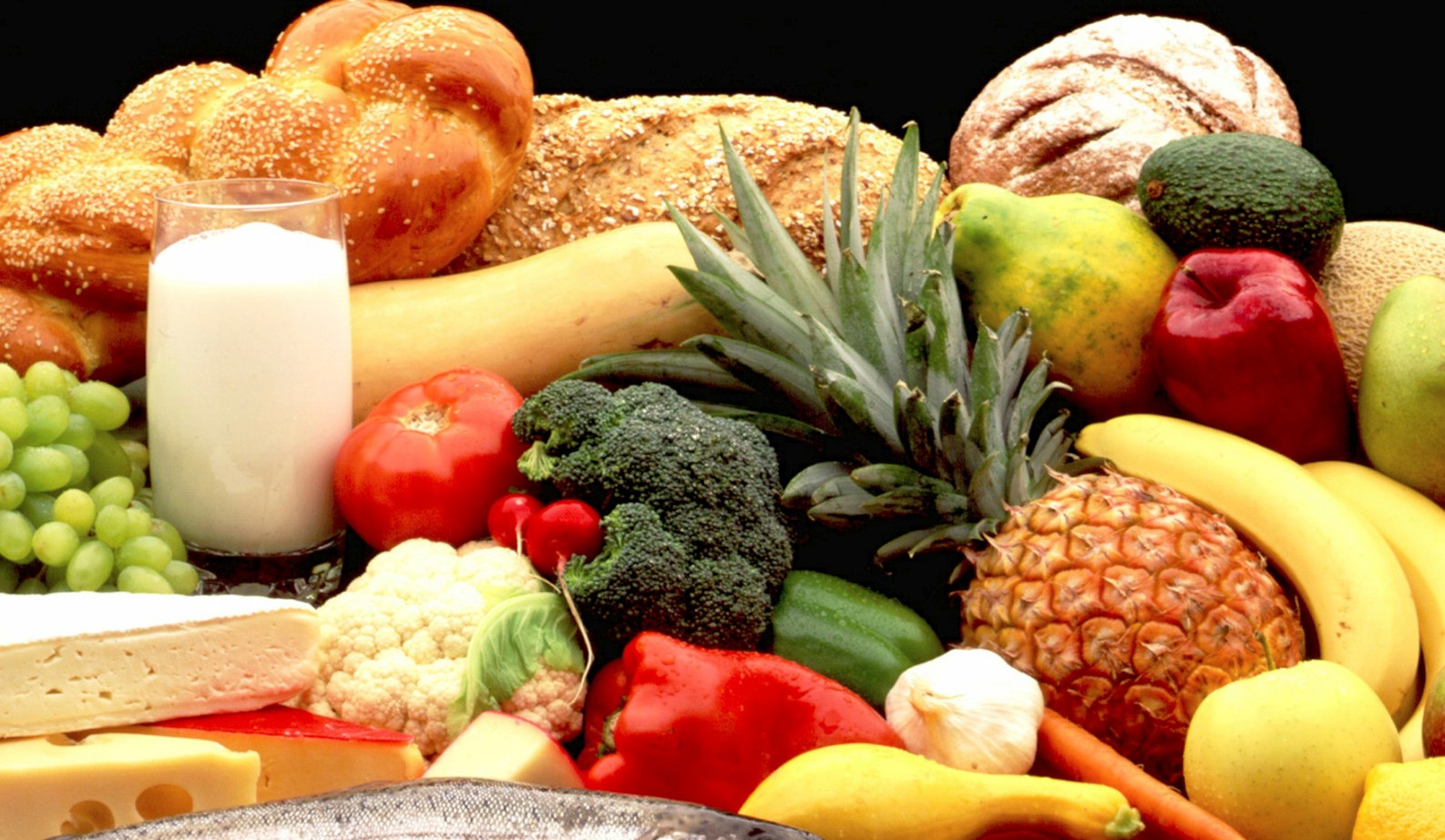
Food science is the study of food's composition, properties, and interactions with biological and chemical processes. It explores how food is processed, preserved, and safely consumed. By combining biology, chemistry, and nutrition, food science improves food quality, enhances flavor, and ensures safety for global consumption.
The Most Popular Post
-
Starch is a polysaccharide made up of glucose until linked together to form long chains. It is one of the most abundant storage polysacchari...
-
Contributions of Manganese Manganese is a trace mineral that takes part in a wide range of metabolic functions. While more needs to be learn...
-
The grapes are washed in acid or alkaline solutions, then in water to remove spray residues. Grapes are then conveyed to a stemmer/ crusher,...
-
Beginning in the 1990s, scientists embarked on a revolutionary journey by creating numerous genetically modified (GM) food varieties. This m...
-
Viruses Several viruses also cause foodborne illness. Viruses differ from bacteria in that they are smaller, require a living animal or huma...
