The simplest and most common means of modifying the internal gaseous atmosphere in a pack is by vacuum packaging. The product is placed in a pack made from film of low oxygen permeability, air is evacuated and the package sealed.
It needs a multilayer film composed of high-barrier and heat-sealable layers with low cost. Most multilayer films are generally processed by lamination or coextrusion. The material used as high-barriers layers are polyamide (PA) or nylon, polyethylene terephthalate (PET), polyvinylidene chloride (OVDC) or ethylene vinyl alcohol (EVOH).
Vacuum packaging of respiring foods or foods containing viable microorganisms such as flesh foods is clearly a form of MAP, because after initial modification of the atmosphere by removal of most of the air, biological action continues to alter or modify the atmosphere inside the package.
In vacuum packaging, elevated level of CO2 can be produced by microorganism or by respiring fruits and vegetables.
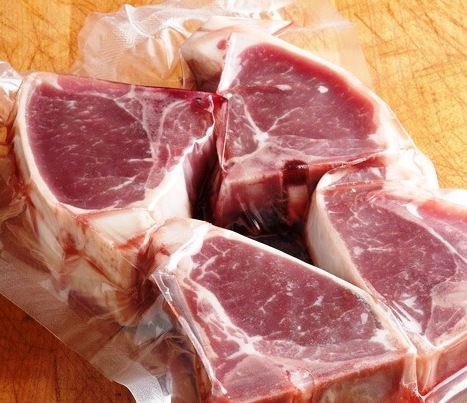
Under good vacuum conditions the oxygen level is reduced to less than 1%. The barrier properties of the film used restricts entry of oxygen from outside.
In the case of vacuum-packed meat, respiration of the meat quickly consumes the residual oxygen replacing it with carbon dioxide, which eventually increases to 10-20% within the package.
Trend of vacuum packaging technology in frozen food is sought to minimize deterioration changes including microbiological and chemical changes and it is widely used in many kinds of food, particularly in ready meal.
Vacuum packaging
Food science is the study of food's composition, properties, and interactions with biological and chemical processes. It explores how food is processed, preserved, and safely consumed. By combining biology, chemistry, and nutrition, food science improves food quality, enhances flavor, and ensures safety for global consumption.
The Most Popular Post
-
Lactose is a naturally occurring carbohydrate found in mammalian milk, including cow's milk and other dairy foods. Lactose biosynthesis...
-
Three disaccharides are important in nutrition: maltose, sucrose and lactose. All three have glucose as one of their single sugars. Sucros...
-
Cinnamon is widely used aromatic spice obtained from the dried inner bark of trees belonging to several species of Cinnamomum . The drie...
-
Caramel coloring is a widely used additive in the food and beverage industry, valued for its ability to impart a rich, dark hue to various ...
-
These polyphenols, mainly flavonoids with as catechin (flavan-3-ols), epicatechin and procyanidins, give chocolate antioxidant activity. Cho...