Lycopene is an intermediate in the biosynthesis of all dicyclic carotenoids, including β–carotene.
It is estimated that more than 80% of lycopene consumed in the United States is derived from tomato-base products, although apricot, guava, watermelon, papaya and pink grapefruit also provided a dietary source.
Lycopene appears to be relatively stable during cooking and food processing.
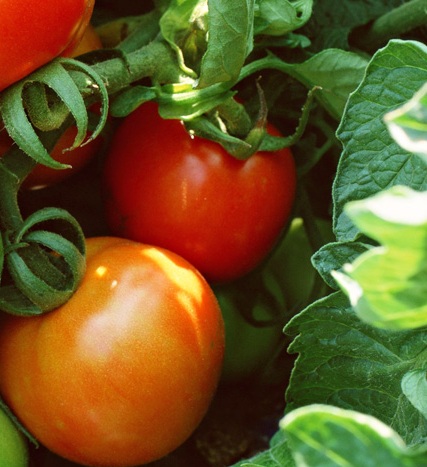
Lycopene is responsible for the characteristics red color of tomatoes and tomato-based foods. In the reddest strains of tomatoes, lycopene concentration is close to 50 mg/kg, compared with only 5 mg/kg in the yellow strains.
Lycopene may play an important protective role against coronary heart disease. In one study, 19 young men followed a diet based on tomato products and experience a significant increase in blood lycopene level together with a reduction in circulating level of LDL-cholesterol.
Lycopene is a more potent scavenger of oxygen radicals than other major dietary carotenes, and it exerts additional anticancer effects. In one –six-year study men who ate two or more servings of tomato products a week reduced their risk of prostate cancer by up to 50 percent.
Lycopene in food and its health benefits
Food science is the study of food's composition, properties, and interactions with biological and chemical processes. It explores how food is processed, preserved, and safely consumed. By combining biology, chemistry, and nutrition, food science improves food quality, enhances flavor, and ensures safety for global consumption.
The Most Popular Post
-
Lactose is a naturally occurring carbohydrate found in mammalian milk, including cow's milk and other dairy foods. Lactose biosynthesis...
-
Cinnamon is widely used aromatic spice obtained from the dried inner bark of trees belonging to several species of Cinnamomum . The drie...
-
These polyphenols, mainly flavonoids with as catechin (flavan-3-ols), epicatechin and procyanidins, give chocolate antioxidant activity. Cho...
-
Three disaccharides are important in nutrition: maltose, sucrose and lactose. All three have glucose as one of their single sugars. Sucros...
-
Soluble fiber is found dissolved in water inside plant cells. Like insoluble fiber, it is not digested and does not provide energy, although...
