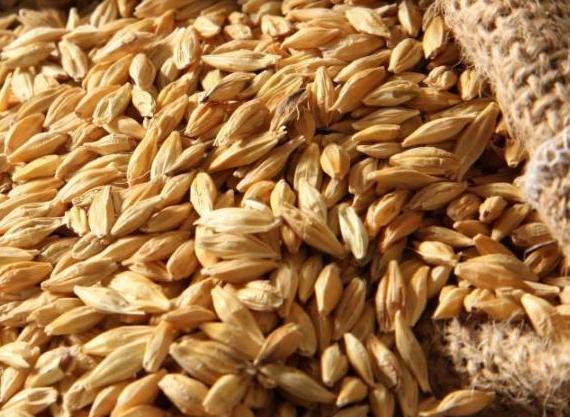
Malting is the limited germination of cereal grains or occasionally, the seeds of pulses (peas and beans), under controlled conditions. The starting and stopping of botanical growth is expertly timed by the maltster to achieve a minimum malting loss and maximum malt modification.
Sometime malt is used ‘green’ (undried), but it is usually used after drying in the sum or in a current of warm water. The three main steps of the malting process are steeping, germination and kilning. Final stage of malting process is kilning, enzyme activities decline as malt color and malt flavor develop.
This converts the endosperm of the grain into simple sugars which later be partially converted by fermentation into alcohol.
In the industrialized regions of the world, malt made from barley is by far the most important, but malts are, or have been, made from wheat, rye, oats, triticale, maize, sorghum, various millets and even rice.
Food processing: Malting
Food science is the study of food's composition, properties, and interactions with biological and chemical processes. It explores how food is processed, preserved, and safely consumed. By combining biology, chemistry, and nutrition, food science improves food quality, enhances flavor, and ensures safety for global consumption.
The Most Popular Post
-
Lactose is a naturally occurring carbohydrate found in mammalian milk, including cow's milk and other dairy foods. Lactose biosynthesis...
-
Cinnamon is widely used aromatic spice obtained from the dried inner bark of trees belonging to several species of Cinnamomum . The drie...
-
These polyphenols, mainly flavonoids with as catechin (flavan-3-ols), epicatechin and procyanidins, give chocolate antioxidant activity. Cho...
-
Three disaccharides are important in nutrition: maltose, sucrose and lactose. All three have glucose as one of their single sugars. Sucros...
-
Soluble fiber is found dissolved in water inside plant cells. Like insoluble fiber, it is not digested and does not provide energy, although...
