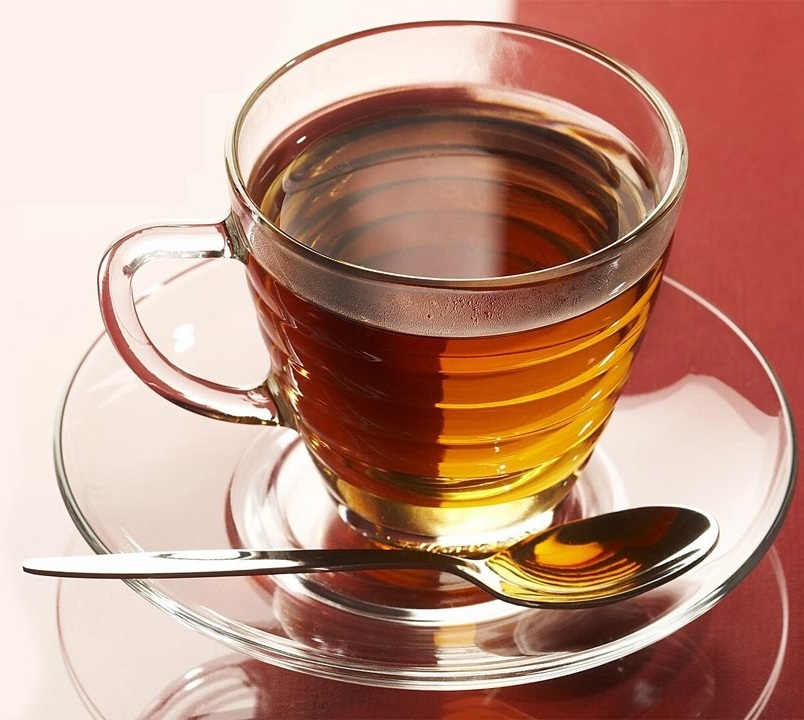
Catechins may also be called flavan-3-ols, which represent a relatively small group of the flavonoid class of natural products, while proanthocyanidins are defined as oligomers and polymers of catechins, in which catechins units are connected through carbon-to-carbon linkages.
Flavan-3-ols are colorless compound. Epicatechin is an example of a flavan-3-ol.
The green tea polyphenols are composed of seven different kinds of catechin derivatives including: catechin; epicatechin; gallocatechin; epigallocatechin; epicatechin-3-gallate; gallocatechin-3-gallate; and epigallocatechin-3-gallate.
Green tea catechins exhibit powerful antioxidant, antitumor and anticancer damage.
Antioxidant catechin in tea
Food science is the study of food's composition, properties, and interactions with biological and chemical processes. It explores how food is processed, preserved, and safely consumed. By combining biology, chemistry, and nutrition, food science improves food quality, enhances flavor, and ensures safety for global consumption.
The Most Popular Post
-
Phosphorus is a vital mineral for the human body, playing a crucial role in the development and maintenance of bones and teeth. It is also i...
-
Blueberries have a rich folkloric history as an herbal medicine. Traditionally, a tea made by steeping the roots of the blueberry bush was b...
-
Sugars play a crucial role in the American diet, with natural sugars from milk, fruits, vegetables, and grains constituting approximately ha...
-
Potassium is the largest intracellular cation in the body. Ninety-eight percent is stored intracellularly. Hypokalemia, low blood potassium,...
-
Lauric acid is a major fatty acid found in “tropical oils. Chemically Lauric acid is known as n-Dodecanoic acid, Dod...
