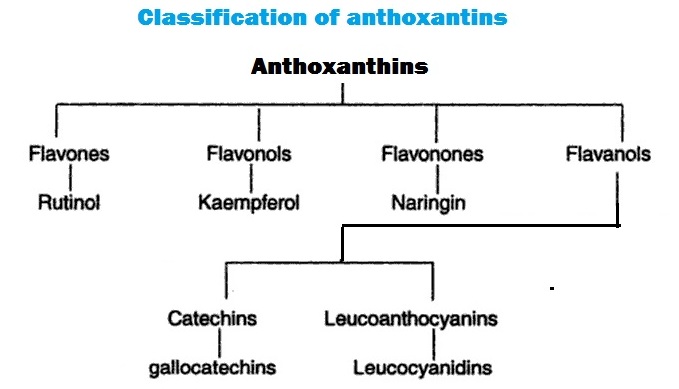
The anthoxanthins are glycosides which in boiling with dilute acid yield one or two molecules of monosaccharides and a flavones or a flavone derivative such as flavonal, flavanonal, or isoflavones.
The anthoxanthins are dissolved in the plant’s cell sap and are water soluble unlike the carotenoid which are fat-soluble. They contribute the cream or white color of cauliflower, onions, white potatoes and turnips.
Anthoxanthins turn an undesirable yellow color in alkaline water, and can even change to blue-black or red-brown under excessive heating or in the presence of iron or copper.
A short cooking time is desired for the anthoxanthins pigment. Otherwise, with prolonged heat, the pigment turns into an undesirable brownish gray color. In acid environment, anthoxanthins becomes lighter.
Vegetables with anthoxanthins
Food science is the study of food's composition, properties, and interactions with biological and chemical processes. It explores how food is processed, preserved, and safely consumed. By combining biology, chemistry, and nutrition, food science improves food quality, enhances flavor, and ensures safety for global consumption.
The Most Popular Post
-
Beginning in the 1990s, scientists embarked on a revolutionary journey by creating numerous genetically modified (GM) food varieties. This m...
-
Some bacteria are aerobic, that is, they require oxygen for growth. Other grow best when oxygen concentration is low (microaerophilus). Stil...
-
After alcoholic fermentation, aging is the next most major important stage of the wine production process. Aging changes the character of a...
-
Fruit jams, a delightful blend of preserved fruits and sugars, are typically canned or sealed for long-term storage. This preservation and p...
-
The anthoxanthins are glycosides which in boiling with dilute acid yield one or two molecules of monosaccharides and a flavones or a flavone...
