Pro-anthocyanidins, also called condensed tannins, are oligomers and polymers of monomeric flavonoids. Pro-anthocyanidins are present in flowers, nuts, fruits, bark, and seeds of various plants, as a defense against biotic and abiotic stressors.
Pro-anthocyanidins can be differentiated into B-type or A-type depending on their interflavanic linkages.
A-type pro-anthocyanidins containing double interflavanyl linkages (for example, procyanidin A2: epicatechin (2b→7,4b→8)-epicatechin) compared to B-type pro-anthocyanidins that have a single interflavanyl bond, typically between C4→C8 (for example procyanidin B2: epicatechin–(4b→8)-epicatechin.
The most common A-type compounds are A1 and A2. A-type pro-anthocyanidins were found in only three fruits (cranberry, avocado and plum), one nut (peanut), and two spices (cinnamon and curry).
Study shows that cinnamon, which contains a series of unique trimeric and tetrameric procyanidins with A-type linkages, significantly decreased plasma levels of triglycerides and total and LDL cholesterol, when administered (1–6 g=day) just for 20 days.
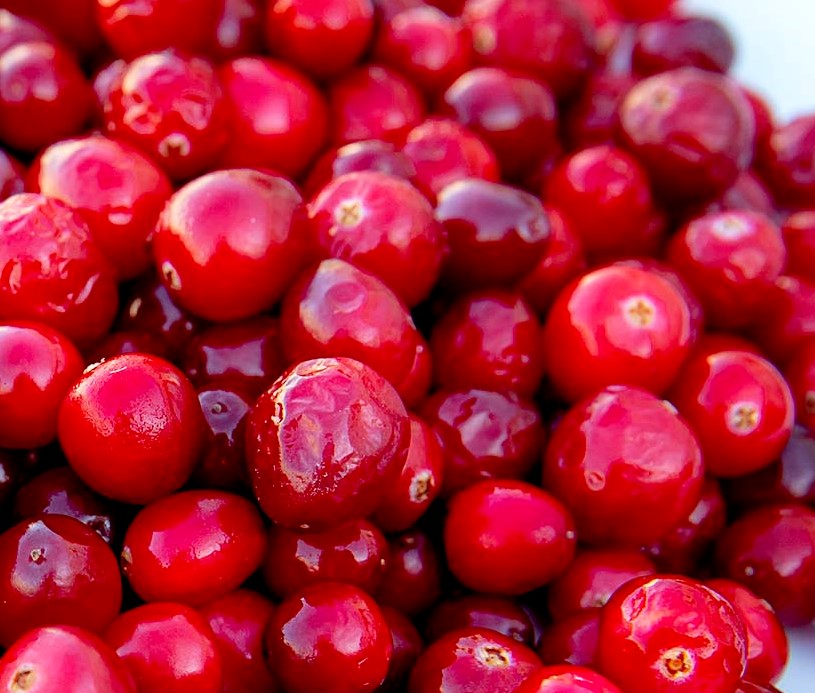
Pro-anthocyanidins found in cranberry juice with A-type linkages prevented adhesion of uropathogenic P-fimbriated E. coli suggesting they may help to maintain a healthy urinary tract.
A-type pro-anthocyanidins
Food science is the study of food's composition, properties, and interactions with biological and chemical processes. It explores how food is processed, preserved, and safely consumed. By combining biology, chemistry, and nutrition, food science improves food quality, enhances flavor, and ensures safety for global consumption.
The Most Popular Post
-
Anethole is primarily extracted from plants like anise, fennel, and star anise through various methods, with steam distillation and solvent...
-
Navel oranges are not only delicious but also packed with numerous nutritional benefits that contribute to overall health and well-being. T...
-
Microbial Grouping The microbial groups important in foods consist of several species and types of bacteria, yeasts, molds and viruses. Bact...
-
Allergy is derived from the Greek word for ‘other’. An antigen is a small part of a larger molecule that is capable of provoking an immune r...
-
High fructose corn syrup had been invented and had been manufactured for use in processed foods starting in the mid 1970s. It is a thick liq...
