Ellagic acid is a dimeric derivative of gallic acid also known as hexahydroxydiphenic acid, which spontaneously forms a dilactone. It is the lactone form that is commonly known as ellagic acid.
This acid is already present in most ellagitannin-rich foods and is also produced during food processing and storage. Ellagitannin present as the structural components of the plant cell wall and cell membrane.
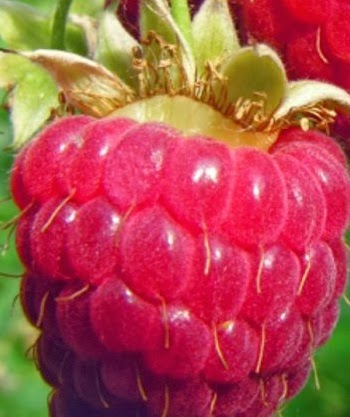
Ellagic acid and its derivative have limited distribution. They are first seen at high concentrations in the strawberries, raspberries, cranberries, blackberries and grapes.
Other sources of ellagic acid include walnuts, pecans and distilled beverages.
Recent studies indicated that ellagic acid possesses anti-mutagenic, antioxidant and anti-inflammatory activity in bacterial and mammalian systems.
Ellagic acid has been shown in research and laboratory models to inhibit the growth of tumors caused by certain carcinogens. It causes apoptosis of cancer cells in the lab, within no change to healthy, normal cells.
Ellagic acid in foods
Food science is the study of food's composition, properties, and interactions with biological and chemical processes. It explores how food is processed, preserved, and safely consumed. By combining biology, chemistry, and nutrition, food science improves food quality, enhances flavor, and ensures safety for global consumption.
The Most Popular Post
-
Anethole is primarily extracted from plants like anise, fennel, and star anise through various methods, with steam distillation and solvent...
-
Navel oranges are not only delicious but also packed with numerous nutritional benefits that contribute to overall health and well-being. T...
-
Allergy is derived from the Greek word for ‘other’. An antigen is a small part of a larger molecule that is capable of provoking an immune r...
-
Mangos too have other chemical compound such as norathyriol, a metabolite of mangiferin, and also quercetin. Mangiferin has been reported t...
-
Microbial Grouping The microbial groups important in foods consist of several species and types of bacteria, yeasts, molds and viruses. Bact...
