The two Acts which form the cornerstone for food labeling regulations in the USA are the Federal Food, Drug and Cosmetic Act (FDA), and The Fair Packaging and Labeling Act.
The Fair Packaging and Labeling Act (FPLA) 1966 standardized the labels of products and required that labels provide honest information. The FPLA relates only to the net quantity of contents information on packages, goods, or commodities that are sold on the basis of weight or measure.
These rules apply to all types of products, such as groceries, cosmetics, cleaners and chemicals. The FPLA requires that all packages of household consumer commodities, as defined by the Act, bear a label containing certain basic information about the nature source and contents of the commodity.
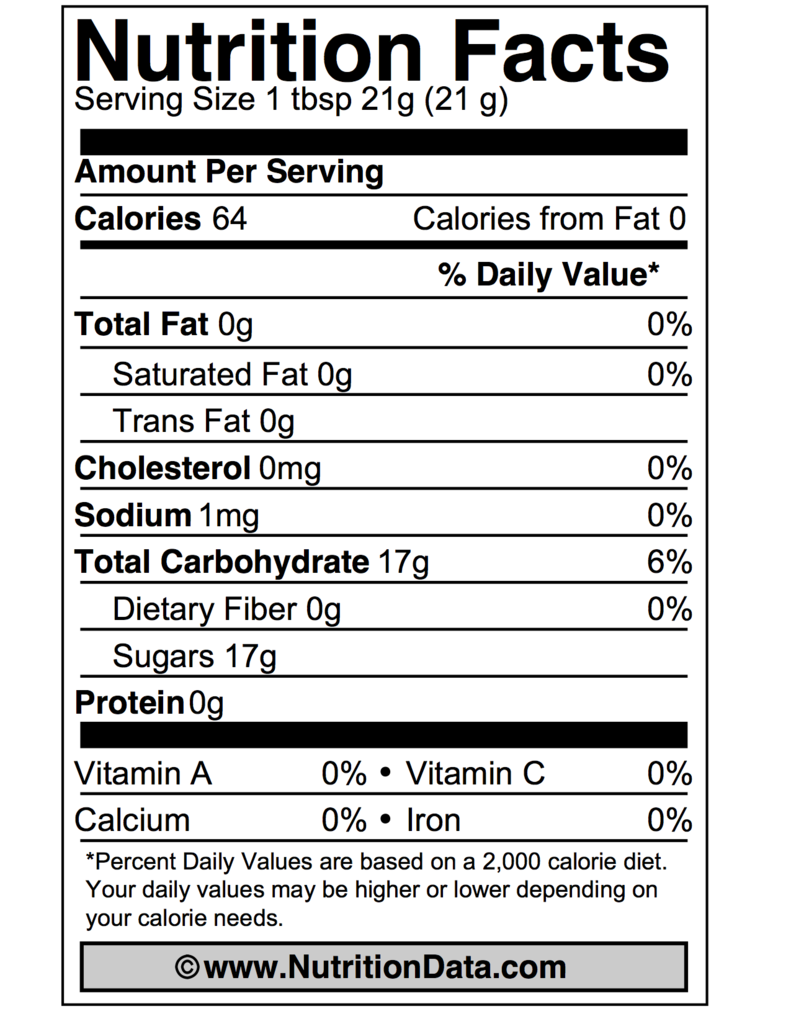
It is the responsibility of the consumer to compare weights and sizes of products available – a much easier job when accurate, standard information is available for comparison.
Amendments to the FPLA were passed in 1992. These laws require labels to include conversion of quantities into a metric measurement in additional to the US system of weights and measures.
Fair Packaging and Labeling Act
Food science is the study of food's composition, properties, and interactions with biological and chemical processes. It explores how food is processed, preserved, and safely consumed. By combining biology, chemistry, and nutrition, food science improves food quality, enhances flavor, and ensures safety for global consumption.
The Most Popular Post
-
Lactose is a naturally occurring carbohydrate found in mammalian milk, including cow's milk and other dairy foods. Lactose biosynthesis...
-
Three disaccharides are important in nutrition: maltose, sucrose and lactose. All three have glucose as one of their single sugars. Sucros...
-
Cinnamon is widely used aromatic spice obtained from the dried inner bark of trees belonging to several species of Cinnamomum . The drie...
-
Caramel coloring is a widely used additive in the food and beverage industry, valued for its ability to impart a rich, dark hue to various ...
-
These polyphenols, mainly flavonoids with as catechin (flavan-3-ols), epicatechin and procyanidins, give chocolate antioxidant activity. Cho...
