Plant pigments fall into three major groups: carotenoids, chlorophylls and flavonoids. Plant carotenoids are responsible for the red, orange and yellow pigments found in fruits and roots such as tomatoes, red peppers, pumpkins and carrots.
Carotenoids pigments are hydrocarbon chains with 40 carbon atoms. They can be seen in the petals of many flowers and are the primary pigments responsible for the fall coloration of deciduous trees.
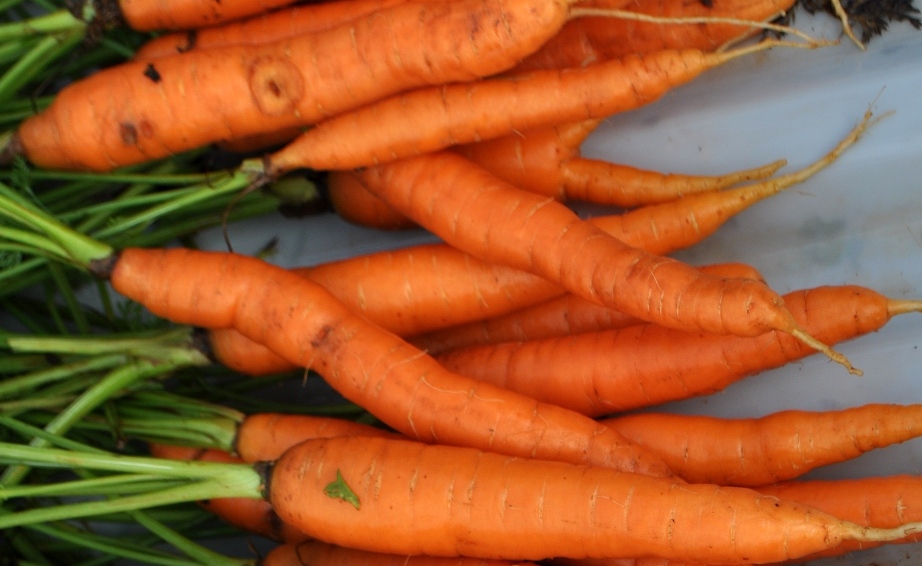
More than 450 carotenoids occur in nature. The carotenoids can be divided into two basic types:
*Carotene which contain no oxygen atoms
*Xanthophyll which does contain oxygen
Heat affects the color of vegetables, most likely because it modifies the pigments’ chemical structure.
Vegetables containing β–carotenes should not be overheated, because this pigment not only contributes to color but can also be converted to vitamin A; therefore, its destruction would be doubly undesirably.
Carotenoid pigments in plant and vegetables
Food science is the study of food's composition, properties, and interactions with biological and chemical processes. It explores how food is processed, preserved, and safely consumed. By combining biology, chemistry, and nutrition, food science improves food quality, enhances flavor, and ensures safety for global consumption.
The Most Popular Post
-
Beginning in the 1990s, scientists embarked on a revolutionary journey by creating numerous genetically modified (GM) food varieties. This m...
-
Viruses Several viruses also cause foodborne illness. Viruses differ from bacteria in that they are smaller, require a living animal or huma...
-
Certain whole grains stand out due to their impressive health benefits, providing essential nutrients and contributing to overall wellness....
-
The fruit of an annual plant or short-lived perennial Lycopersicon esculentum of which some varieties grow to over 2.5 m high whilst others ...
-
Flavors are the mixtures of odorous molecules that can be extracted from natural foods or it can be synthesized in the laboratory. A flavori...