Currently five types of protozoa are of concern: Entamoeba histolytica, Giardia lamblia, Cryptosporidium parvum, Naegleria and Acanthamoeba. Entamoeba histolytica is a microscopic endoparasitic of humans. It is chiefly found in the colon of large intestine.
Entamoeba histolytica, the cause of amoebic dysentery, is spread principally by fecal contamination of water, food, body parts and diverse objects: sexual partners make an epidemiological impact.
It can be transmitted by the poor personal hygiene of food handlers, contamination of ready-to-eat foods such as fruits or vegetables, from drinking water, and by insect vectors such as flies.
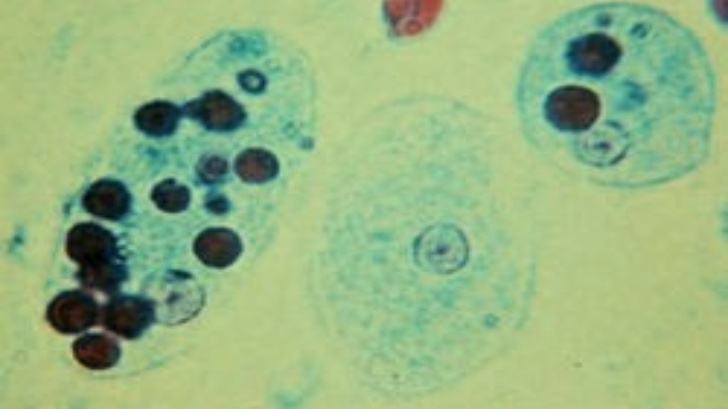
Entamoeba histolytica infection is widespread in subtopic areas. Infection begins when trophozoites of Entamoeba histolytica invade the colonic mucosa.
The majority of infected people do not display any pathology, and the parasite exists as a commensal, continuing to multiply and spread. Only a small fraction of the infected individuals show overt symptoms of amebiasis with invasion in the intestinal tissues or in some extraintestinal sites, such as liver.
Entamoeba histolytica can cause dysentery
Food science is the study of food's composition, properties, and interactions with biological and chemical processes. It explores how food is processed, preserved, and safely consumed. By combining biology, chemistry, and nutrition, food science improves food quality, enhances flavor, and ensures safety for global consumption.
The Most Popular Post
-
Beginning in the 1990s, scientists embarked on a revolutionary journey by creating numerous genetically modified (GM) food varieties. This m...
-
Some bacteria are aerobic, that is, they require oxygen for growth. Other grow best when oxygen concentration is low (microaerophilus). Stil...
-
After alcoholic fermentation, aging is the next most major important stage of the wine production process. Aging changes the character of a...
-
Phytochemicals are traditionally categorized as either primary or secondary metabolites based on their function in plant metabolism. This di...
-
Cow’s milk is a remarkable fluid, consisting predominantly of water at approximately 87%, with the remaining 13% encompassing vital milk sol...
