Cocoa and chocolate contain a number of minerals. Cocoa has the potential to provide significant amount of minerals in the human diet, in particular copper, iron, magnesium, calcium, potassium and zinc.
Potassium, magnesium and calcium are the most abundant minerals in cocoa powder. The mineral content of the cocoa is dependent on the soil condition in which the cacao is grown.
Cocoa and cocoa products contain relatively higher amounts of magnesium compared to black tea, red wine, and apples. Magnesium is involved in catalyzing multitude biological reactions, including protein synthesis, transmission of nerve impulse, muscle relaxation, energy production and bone and teeth adsorption.
The final concentrations of minerals in chocolate products are dependent on the amount of non-fat cocoa solids, the amount of cocoa butter and the presence of other ingredients including milk and nuts which can enhance the levels of certain minerals.
A 100 g bar of plain chocolate is able to supply 24% of the copper needed in a healthy diet, whilst milk and white chocolate are a relatively good source of calcium, which is widely regarded as being beneficial in maintaining strong bones.
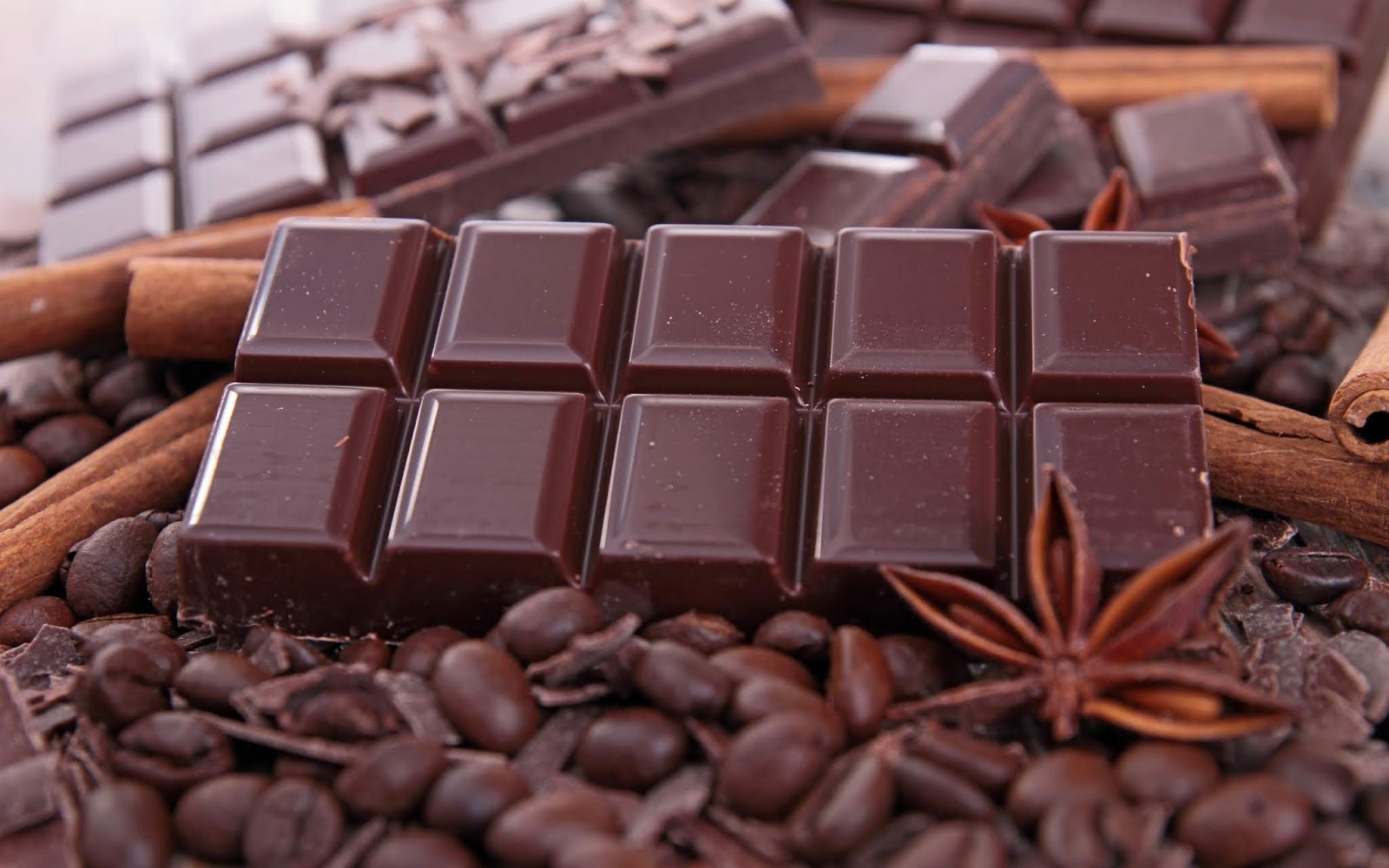
Dark chocolate typically has higher amounts of minerals than milk chocolate. Dark chocolate is plentiful in magnesium, important for brain functioning. It also boast other nutrients, such as copper, iron, manganese and zinc.
Minerals content in cocoa and cocoa products
Food science is the study of food's composition, properties, and interactions with biological and chemical processes. It explores how food is processed, preserved, and safely consumed. By combining biology, chemistry, and nutrition, food science improves food quality, enhances flavor, and ensures safety for global consumption.
The Most Popular Post
-
Beginning in the 1990s, scientists embarked on a revolutionary journey by creating numerous genetically modified (GM) food varieties. This m...
-
Some bacteria are aerobic, that is, they require oxygen for growth. Other grow best when oxygen concentration is low (microaerophilus). Stil...
-
After alcoholic fermentation, aging is the next most major important stage of the wine production process. Aging changes the character of a...
-
Fruit jams, a delightful blend of preserved fruits and sugars, are typically canned or sealed for long-term storage. This preservation and p...
-
The anthoxanthins are glycosides which in boiling with dilute acid yield one or two molecules of monosaccharides and a flavones or a flavone...
