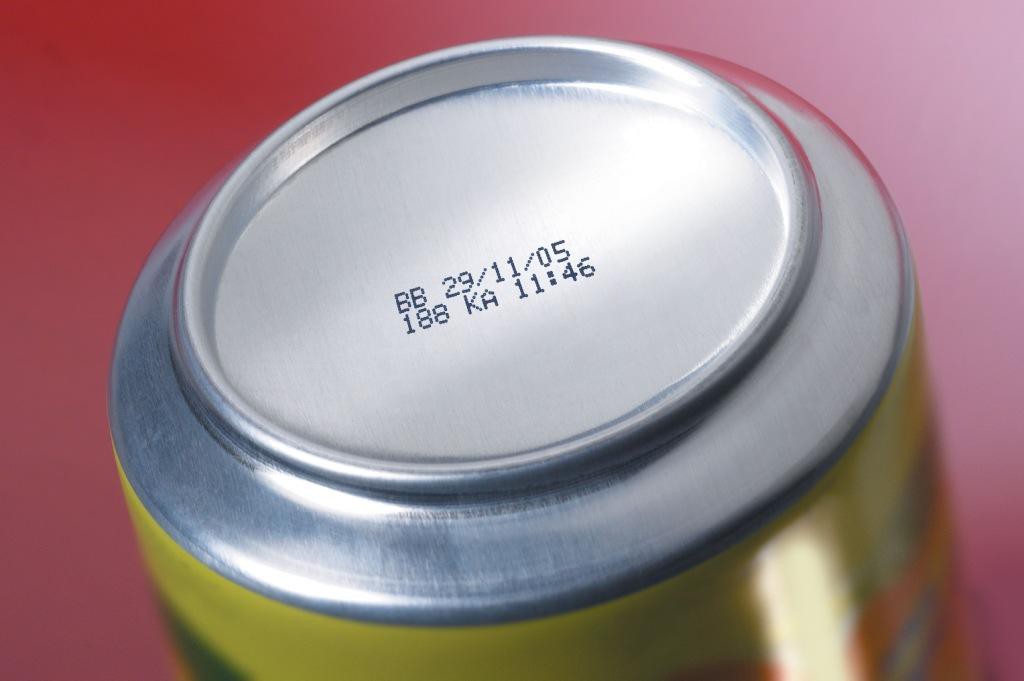
Shelf life is defined the time it takes a food product to deteriorate to an unacceptable degree under specific storage, processing, and packaging conditions.
The progressive deterioration of quality and safety limits a food’s shelf life and distribution or storage of foods under inadequate conditions, such as high temperature or relative humidity, accelerate this process.
The current forms of food production and distribution, as well as the trend towards convenient foods, have increased the demand for longer shelf life. Furthermore, the world food supply situation requires preservation by avoiding deterioration as much as possible.
The extension of shelf life involves protection against microbial spoilage, for example, by using anti-microbial additives and by using active agents which suppress and retard undesired chemical and physical changes in food.
Sensory testing is designed to validate the length of time that a product will remain with the same “acceptable quality” level or presents “no changes in desired sensory characteristics” over the entire life of a product.
Shelf Life of Food
Food science is the study of food's composition, properties, and interactions with biological and chemical processes. It explores how food is processed, preserved, and safely consumed. By combining biology, chemistry, and nutrition, food science improves food quality, enhances flavor, and ensures safety for global consumption.
The Most Popular Post
-
Anethole is primarily extracted from plants like anise, fennel, and star anise through various methods, with steam distillation and solvent...
-
Chickpea (Cicer arietinum L), the third most important pulse crop in the world after beans and field peas, is a source of high quality prote...
-
High fructose corn syrup had been invented and had been manufactured for use in processed foods starting in the mid 1970s. It is a thick liq...
-
Milk Acidity The determination of acidity is undoubtedly the most commonly used analytical measure on dairy technology. Since the acidity of...
-
While the fatty acids are present as esters of glycerol or phosphoglycerol, other glycerol derivatives are known, such as glycerol ethers, w...
