Sugars are naturally occurring sweeteners, the most common in our nutrition being sucrose, fructose, and glucose. Fructose and glucose are monosaccharides present in small amounts in fruits and honey.
Fructose is a monosaccharide found in nature primarily in fruits. It’s eaten as sucrose (common table sugar), which is composed of equal parts of glucose and fructose. It is the sweetest of the naturally occurring nutritive (caloric) sweeteners and has many unique functional and nutritional properties that make it a valuable food ingredient. Fructose is a hexose, with a chemical formula C6H12O6 identical to that of glucose.
When fructose is attached to a sugar called glucose, it forms sucrose or ‘table sugar.’ Long chains of fructose are called fructans and are found in certain vegetables, wheat, and other foods.
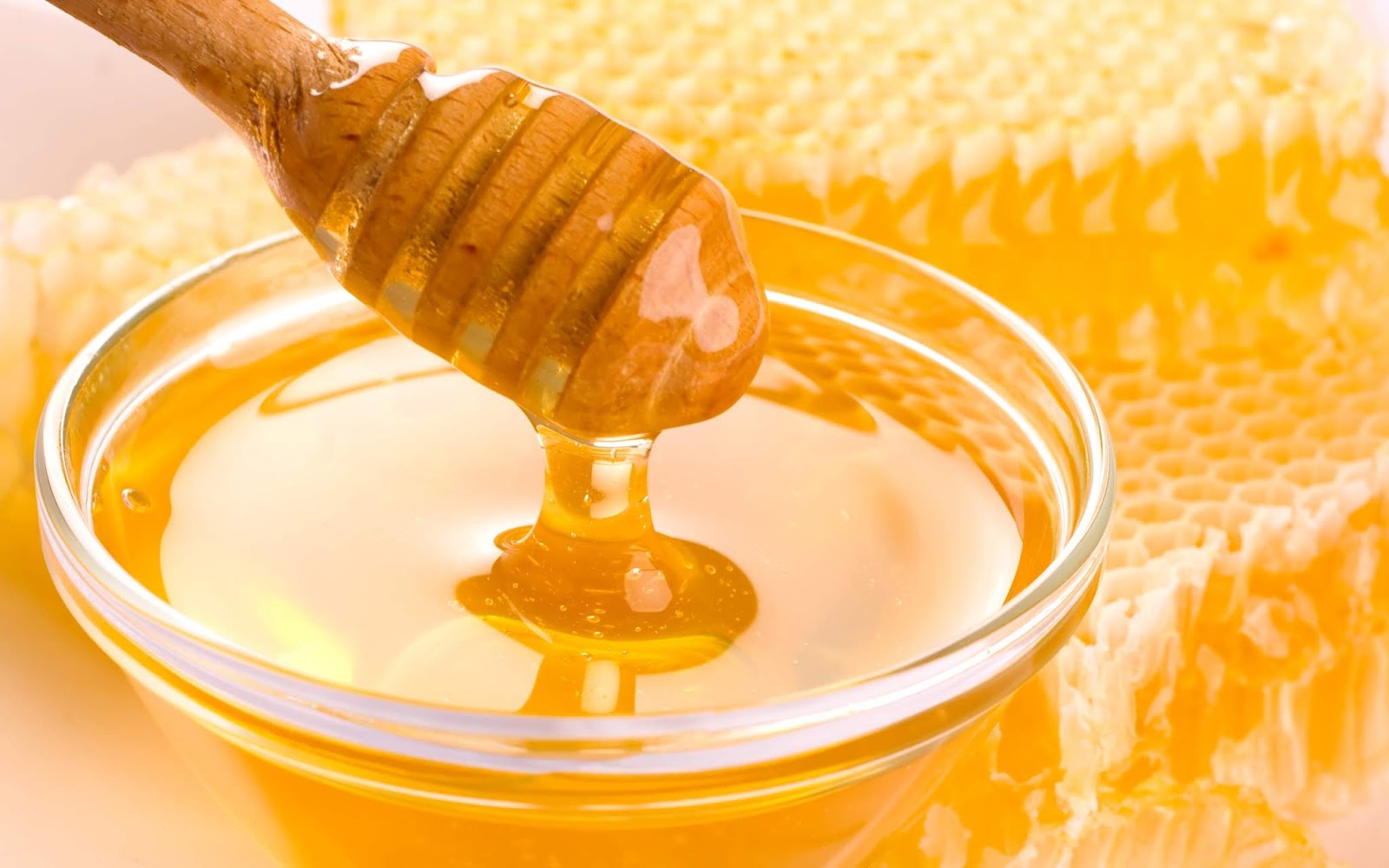
Fructose is also found in sucrose (table sugar), honey, agave nectar, fruit juices, fruit juice concentrates, pure crystalline fructose and high fructose corn syrup (HFCS).
The fruit sugar of fructose
Food science is the study of food's composition, properties, and interactions with biological and chemical processes. It explores how food is processed, preserved, and safely consumed. By combining biology, chemistry, and nutrition, food science improves food quality, enhances flavor, and ensures safety for global consumption.
The Most Popular Post
-
Calcium is essential for building and maintaining healthy bones and tooth structure, and it plays a critical role in the function of nerves ...
-
Beneficial bacteria play essential roles in various ecosystems, including the human body. Some examples include: Human Gut Microbiota Lacto...
-
Crude fiber is a measure of the quantity of indigestible cellulose, pentosans, lignin, and other similar components present in foods. It rep...
-
Selenium, a trace element discovered by Swedish chemist Berzelius in 1817, emerges as a potent yet often overlooked weapon in the fight agai...
-
Flavonoids, a diverse group of phytonutrients found in many fruits and vegetables, are divided into several subgroups, including chalcones, ...
