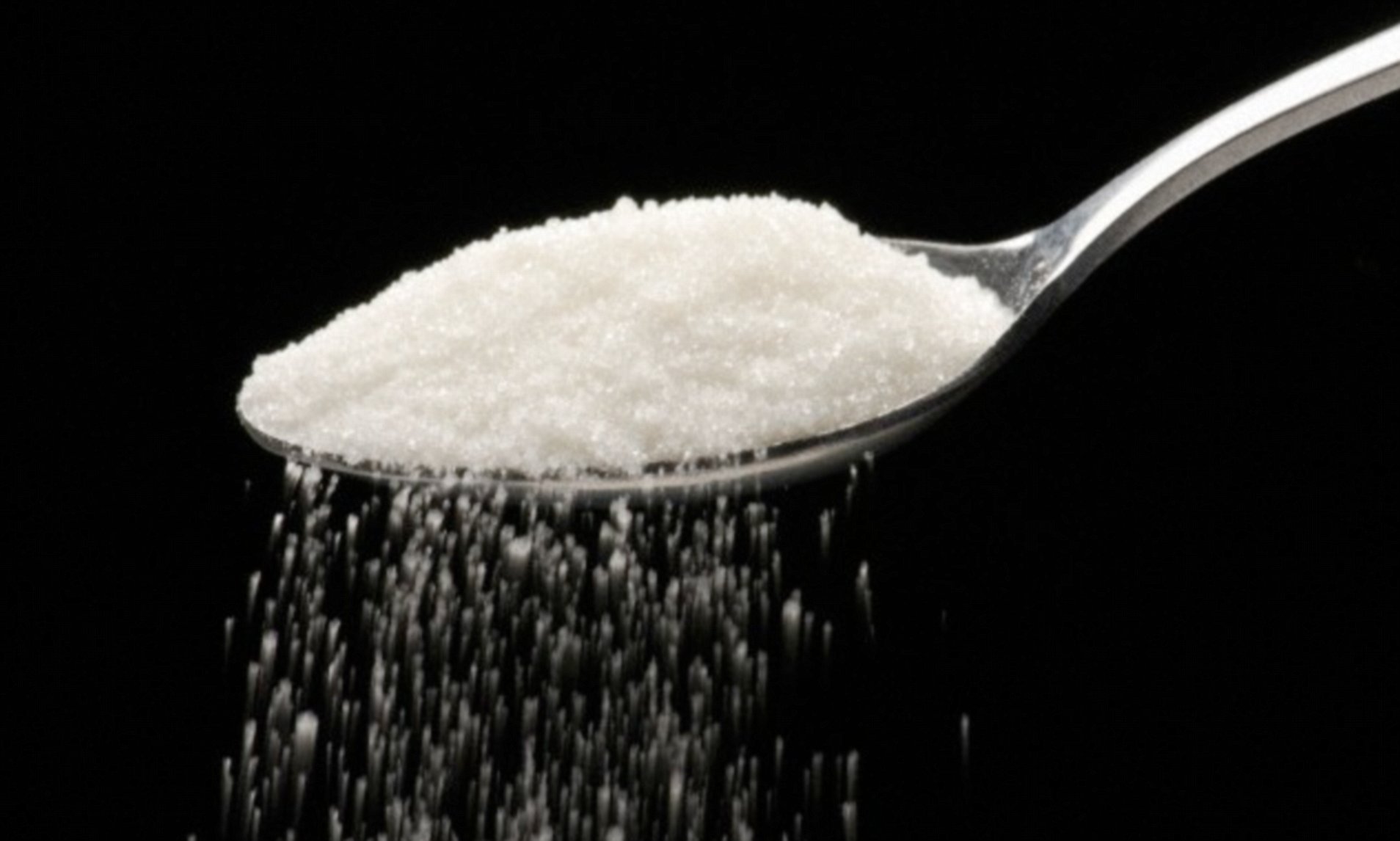
Caking, whereby free-flowing particles aggregates to
form lumps, of food powders is a common
problem which can contribute to reduced product
quality, functionality and shortened shelf‐life. It
can occur during processing, handling or
storage and could therefore be a problem both
in the production lines and for the
consumers.
Function food additives can be classified by their functional purpose. Most falling to just two categories:
*those that assist in manufacture or use
*those that produce end-product characteristics
Free-flow or anti- caking agents fall into the first category.
Anti-caking agents, prevents the formation of lumps making these
products manageable for packaging, transport, and for use by end
consumer. Anti-caking agent is the food additive that prevents
agglomeration in certain solids, permitting a free-flowing condition. It
reduces the tendency of particles of food to adhere to one another.
Anti-caking agents are added in very small amounts to powders and other
food products like table salt, spices, milk powder, flour, sugar and
many more pantry friendly items. They allow a wide range of products to
freely flow when they’re being used. They often appear in products that
are more susceptible to clumping such sugar or flour.
Types of anti-caking agent
*Anti-caking agent
*Anti-stick agent
*Drying agent
*Dusting agent
Food science is the study of food's composition, properties, and interactions with biological and chemical processes. It explores how food is processed, preserved, and safely consumed. By combining biology, chemistry, and nutrition, food science improves food quality, enhances flavor, and ensures safety for global consumption.
The Most Popular Post
-
Anethole is primarily extracted from plants like anise, fennel, and star anise through various methods, with steam distillation and solvent...
-
Navel oranges are not only delicious but also packed with numerous nutritional benefits that contribute to overall health and well-being. T...
-
High fructose corn syrup had been invented and had been manufactured for use in processed foods starting in the mid 1970s. It is a thick liq...
-
Microbial Grouping The microbial groups important in foods consist of several species and types of bacteria, yeasts, molds and viruses. Bact...
-
Caramel coloring is a widely used additive in the food and beverage industry, valued for its ability to impart a rich, dark hue to various ...