The acetylated form of the amino acid L-cysteine, N-acetylcysteine is rapidly metabolized in the body and it is a precursor of intracellular glutathione and cysteine. N-acetylcysteine has an impressive array of mechanism and protective effect toward DNA damage, carcinogenesis and other mutation related diseases.
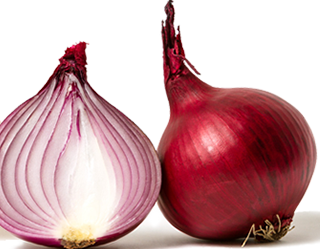
N-acetylcysteine is most notably found in plants of the Allium species, especially in the onion (Allium cepa, 45 mg NAC/kg).
Chemically known as (R)-2-acetamindo-3-mercaptopropanoic acid, N-acetylcysteine is used mainly as a mucolytic (mucus dissolving) in a variety of respiratory conditions and it is also being used in the management of paracetamol overdose.
N-acetylcysteine is a powerful detoxifier and acts against agents that suppress the immune system. It is an effective scavenger of free radicals as well as a major contributor to maintenance of the cellular glutathione status in muscle cells.
Glutathione acts as an antioxidant preventing cell damage caused by the free radicals and peroxides and it is used to detoxify the body and to help it repair the damage caused by stressed, pollution, radiation, infection, drugs, poor diet, aging, injury, trauma and burns.
Antioxidant N-acetylcysteine (NAC)
Food science is the study of food's composition, properties, and interactions with biological and chemical processes. It explores how food is processed, preserved, and safely consumed. By combining biology, chemistry, and nutrition, food science improves food quality, enhances flavor, and ensures safety for global consumption.
The Most Popular Post
-
Anethole is primarily extracted from plants like anise, fennel, and star anise through various methods, with steam distillation and solvent...
-
Navel oranges are not only delicious but also packed with numerous nutritional benefits that contribute to overall health and well-being. T...
-
High fructose corn syrup had been invented and had been manufactured for use in processed foods starting in the mid 1970s. It is a thick liq...
-
Microbial Grouping The microbial groups important in foods consist of several species and types of bacteria, yeasts, molds and viruses. Bact...
-
Caramel coloring is a widely used additive in the food and beverage industry, valued for its ability to impart a rich, dark hue to various ...
