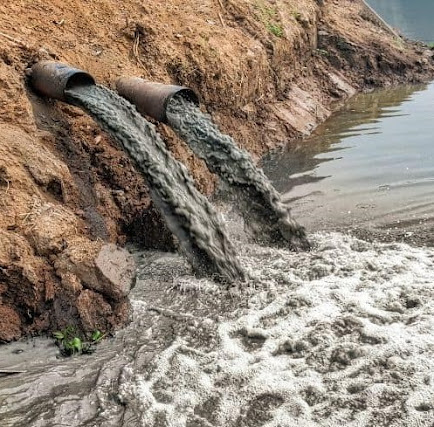
Biochemical oxygen demand (BOD) is often used as a surrogate of the degree of organic pollution of water. It is an empirical test in which standardized laboratory procedures are used to determine the relative oxygen requirements of wastewaters, effluents, and polluted waters.
It provides information about the readily biodegradable fraction of the organic load in water.
The test has its widest application in measuring waste loadings to treatment plants and in evaluating the BOD-removal efficiency of such treatment systems. A major disadvantage of the BOD test is the amount of time (5 days) required to obtain the results.
In many biological treatment plants, the facility effluent contains large numbers of nitrifying organisms which are developed during the treatment process. These organisms can exert an oxygen demand as they convert nitrogenous to more stable. At least part of this oxygen demand is normally measured in a five-day BOD.
The biochemical oxygen demand has three major applications:
*First, it is an indicator of the conformity of the wastewater discharge and the waste treatment procedure to the current regulations.
*Second, in wastewater treatment plants, the ratio between BOD and COD (chemical oxygen demand) indicates the biodegradable fraction of an effluent.
*Third, the ratio COD/BOD is an indicator of the size of a wastewater treatment plant required for a specific location.
What is Biochemical oxygen demand (BOD)?
Food science is the study of food's composition, properties, and interactions with biological and chemical processes. It explores how food is processed, preserved, and safely consumed. By combining biology, chemistry, and nutrition, food science improves food quality, enhances flavor, and ensures safety for global consumption.
The Most Popular Post
-
Anethole is primarily extracted from plants like anise, fennel, and star anise through various methods, with steam distillation and solvent...
-
Vegetables are crucial for maintaining good health due to their rich nutrient profile. Historically, plant-based foods have been integral to...
-
Resveratrol is a naturally occurring polyphenol found in a range of plants, particularly in the skin of red grapes, blueberries, raspberries...
-
Water in Food Preservation and Shelf Life Drying and freezing are common food preservation techniques. Foods are dehydrated or frozen the av...
-
Crude fiber is a measure of the quantity of indigestible cellulose, pentosans, lignin, and other similar components present in foods. It rep...