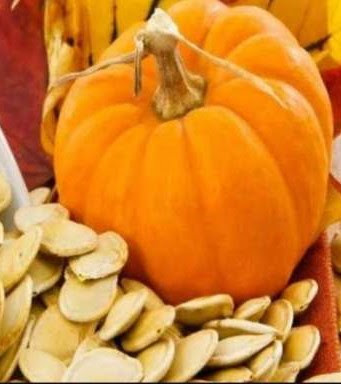
Pumpkin has gained attention as an exceptional protective against many diseases, e. g. hypertension and carcinogenic diseases; due to its health benefits such as antidiabetic, antibacterial, antioxidant and anti-inflammation.
Pumpkin seed is high in oil, protein, and total unsaturated fatty acids (TUFA) and provides an important source of nutrition and income globally. Researchers found that pumpkin seeds contained, 25.4% protein, 5.2 % moisture, 25.19% carbohydrates, 5.34% fibre, and 2.49% total ash.
The oil content ranged from 11 to 31 %. Total unsaturated fatty acid content ranged from 73 to 81 %. Pumpkin seed oil is particularly rich in linoleic acid, a type of omega-6 fatty acid that may be associated with improved heart health and blood sugar management. Other predominance fatty acid include: oleic, palmitic and stearic acids. The α-tocopherol content of the oils ranged from 27 to 75 mg/g, while γ -tocopherol ranged from 75 to 493 mg/g.
Pumpkin seed contains significant levels of antioxidants (tocopherols and tocotrienols) that have been associated with a reduced risk of gastric, breast, lung, and colorectal cancer.
Pumpkin seed oil is also an excellent source of polyunsaturated and monounsaturated fats. Unsaturated fats can improve body blood cholesterol levels, which can reduce risks of arteriosclerosis, heart-related ailments and type 2 diabetes.
Pumpkin seed oil is known to provide phytosterols, or compounds that compete with cholesterol for absorption in the digestive system. As a result, cholesterol absorption is blocked. Both of nutrients, fatty acids and phytosterols are good for heart.
Cold press or steam distillation is used for oil extraction. The dark greenish-red oil is used for cooking, as marinade or salad dressing and it has already been touted as a contender to olive oil. Pumpkin-seed oil can only be used to cook at low temperatures, or the oil will smoke and the nutrients will begin to dissipate.
It is being used in many epicurean delights, viz. chocolate, cereal bar, bread, cake, muffin, soup, pesto, stew and pasta garnish. Pumpkin seed butter is considered as a great alternative to peanut butter.
Pumpkin seed oil