Taste indicate the main impact of foods on human sense. The six taste are sweet, salty, sour, pungent, bitter and astringent. The taste of the food is determined by its chemical composition.
Astringency is defined by the tactile sensation of dryness and roughness throughout the mouth. It is the complex of sensations due to shrinking, drawing or puckering of the epithelium as a result of exposure to substances such as alums or polyphenols.
This sensation is because of the presence of tannins. These can tightens mucous membranes, contract tissues and decrease inflammation.
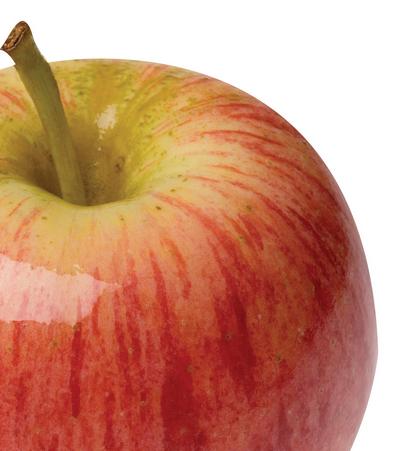
Foods with astringent taste tend to be more alkaline. Very few foods are predominantly astringent. Pomegranates, cranberries, teas, red wine and some unripe fruits such as mangoes and apples are examples of more astringent foods. Astringency is created in wine through the presence of tannins.
Astringent is more often a secondary taste to sweet, such as meats. Most beans and grains are primarily sweet with a secondary taste of astringency.
Astringent taste
Food science is the study of food's composition, properties, and interactions with biological and chemical processes. It explores how food is processed, preserved, and safely consumed. By combining biology, chemistry, and nutrition, food science improves food quality, enhances flavor, and ensures safety for global consumption.
The Most Popular Post
-
The recommended daily allowance (RDA) for sodium is a critical dietary guideline aimed at promoting overall health and preventing chronic di...
-
Food contamination by various agents can result in over 250 distinct foodborne diseases, posing a significant public health and economic cha...
-
In Europe, the sausages were known as Frankfurter wurst and Vienna wurst, but the wurst part - which means sausage - was dropped soon after ...
-
Food science stands at the intersection of biology, physical science, and engineering, providing a crucial foundation for understanding the ...
-
Diabetes mellitus is a prevalent disease in the Western world, affecting an estimated 4 to 5% of the population. In the European Union, arou...