Staphylococcal food poisoning (SFP) is an intoxication and one of the most common food-borne diseases results from the ingestion of staphylococcal enterotoxins (SEs) preformed in food by enterotoxigenic strains of Staphylococcus aureus and very occasionally by other staphylococci species such as Staphylococcus intermedius.
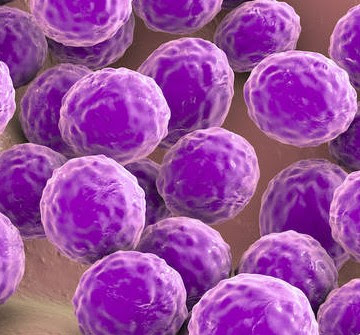
Staphylococcus aureus is important because it has the ability to make seven different toxins that are frequently responsible for food poisoning.
Typically, staphylococcal food poisoning is a self-limiting disease, presenting with emesis following a short incubation period. Symptoms start 30 minutes to 6 hrs after ingestion of staphylococcal enterotoxins and spontaneously subside after 24 hr.
Foods that have been frequently incriminated in staphylococcal intoxication include meat and meat products, poultry and egg products, milk and dairy products, salads, bakery products, particularly cream-filled pastries and cakes, and sandwich fillings.
The first description of food-borne disease involving staphylococci was investigated in Michigan (USA) in 1884 by Vaughan and Sternberg.
Staphylococcal enterotoxins belong to the group of exotoxins and act in the gastrointestinal tract. They possess superantigen character and can therefore unspesifically activate T-cells.
Food handlers carrying enterotoxin-producing S. aureus in their noses or on their hands are regarded as the main source of food contamination, via manual contact or through respiratory secretions. In fact, S. aureus is a common commensal of the skin and mucosal membranes of humans, with estimates of 20–30% for persistent and 60% for intermittent colonization.
Staphylococcal food poisoning
Food science is the study of food's composition, properties, and interactions with biological and chemical processes. It explores how food is processed, preserved, and safely consumed. By combining biology, chemistry, and nutrition, food science improves food quality, enhances flavor, and ensures safety for global consumption.
The Most Popular Post
-
Anethole is primarily extracted from plants like anise, fennel, and star anise through various methods, with steam distillation and solvent...
-
Protein C and protein S are glycoproteins, predominantly synthesized in the liver, that are important components of the natural anticoagulan...
-
Solid/liquid extraction is sometimes called leaching. When the soluble component is incorporated in a liquid, liquid/liquid extraction may b...
-
Water in Food Preservation and Shelf Life Drying and freezing are common food preservation techniques. Foods are dehydrated or frozen the av...
-
Food contamination by various agents can result in over 250 distinct foodborne diseases, posing a significant public health and economic cha...
