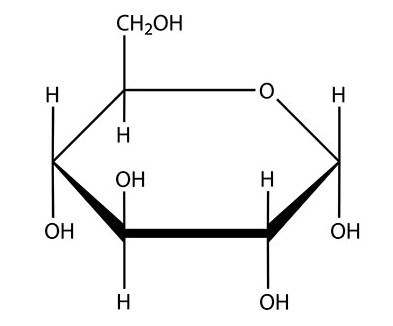
Glucose is the key metabolic substrate for tissue energy production. Glucose is one of the body’s principal fuels. It is an energy-rich monosaccharide sugar that is broken down in body cells to produce adenosine triphosphate.
Regulating the blood glucose level is a challenging control problem for the human body.
Prolonged irregularities in the blood glucose level can result in major health problems such as diabetes, an incurable disease caused when the pancreas no longer makes insulin (type 1 diabetes), or when the pancreas cannot make enough insulin and the body develops insulin resistance (type 2 diabetes).

After meals, the body is said to be in an absorptive state as it absorbs nutrients from the gut. Blood-glucose levels rise although this is buffered by glucose storage in the liver.
*Rising blood glucose levels after a meal stimulates insulin release which disposes of this load. Falling blood glucose levels stimulates glucagon, which maintains a basic minimum level of glucose in the blood. Glucagon works primarily on the hepatocytes in the liver to:
● Convert stored glycogen into glucose and release it into the blood;
● Promote gluconeogenesis
*Norepinephrine and epinephrine help maintain normal blood glucose levels by stimulating glucagon release, glycogenolysis, and food consumption, and by inhibiting insulin release.
*Cortisol, a steroid hormone, is synthesized from cholesterol. Cortisol increases the availability of blood glucose to the brain. Cortisol acts on the liver, muscle, adipose tissue, and pancreas. In the liver, high cortisol levels increase gluconeogenesis and decrease glycogen synthesis.
*Growth hormone therapy antagonizes insulin's action on peripheral tissues, such as the skeletal muscle, liver, and adipose tissue, thereby increases glucose production from the skeletal muscle and liver and decreases glucose uptake from adipose tissue.
Regulating blood glucose level