The functions of essential oils in plant organisms seem to be related to environmental interactions and protection of the plant against predators and pathogens.
Essential oils chemical composition is diverse; however, terpenes and terpenoids (the oxygenated derivatives of terpenes) are the chemical compounds representing the majority of molecules in essential oil composition. This class of molecules is characterized by the combination of isoprene units (C5H8).
These terpenes have a diverse chemical composition that range from a simple molecule with carbon and hydrogen to more complex molecules with oxygenated organic groups, such as alcohols, aldehydes, ketones, and ethers.
Depending on the number of isoprene units (C5H8) in the molecule, they are classified into, for example, monoterpenes (one terpene unit or two isoprene units; examples are linalool, geraniol, limonene), sesquiterpenes (three isoprene units; examples are β-caryophyllene, the farnesenes, humelene), and tetraterpenes (eight isoprene units; for example, carotenoids).
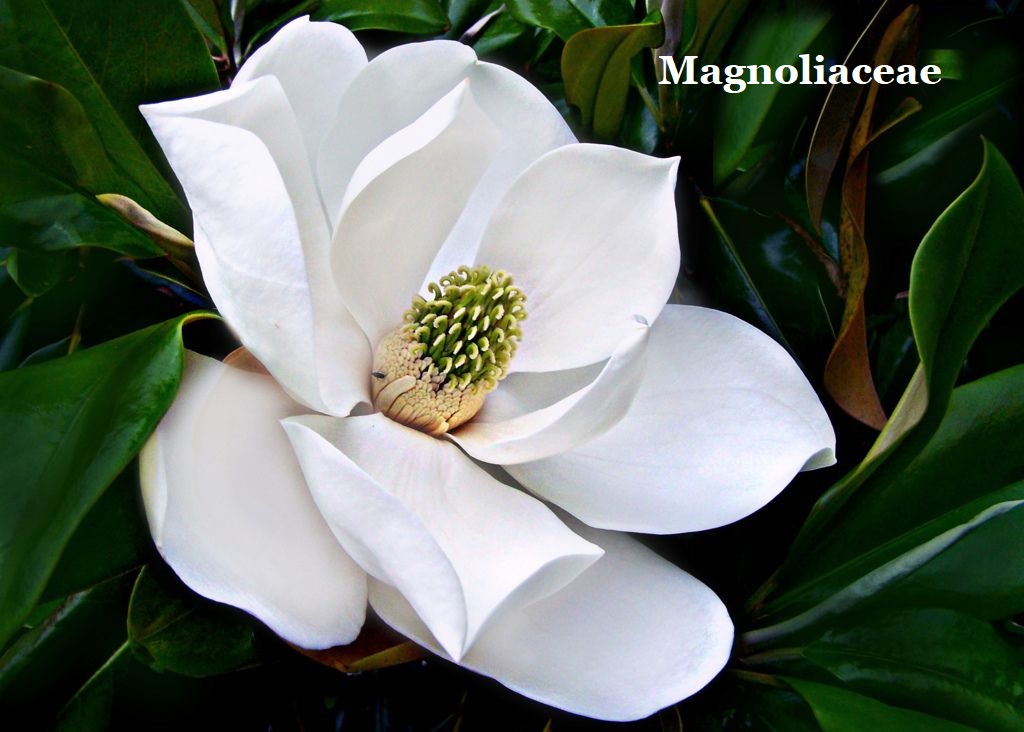
Monoterpenes and sesquiterpenes comprise about 25% of the terpene fractions in essential oils. Sesquiterpenes are a subclass of terpenes that have been described to display a large range of biological and pharmaceutical activities that include effects on the central nervous system, antimicrobial, and anti-tumor actions. Sesquiterpene compounds widely distributed, most abundant in Magnoliales, rue mesh, cornales and asterales (asterales) plants.
Smaller terpenes, up to three isoprene units, are highly volatile, and the volatility decreases with an increased number of isoprene units.
Many of these molecules with 10 and 15 carbon atoms have an especially important biological activity, being important the antimicrobial, antifungal, antioxidant, anti-inflammatory, insecticide, analgesic, anticancer, cytotoxic, among others.
Terpenes in essential oil