Enzymes such as lipases liberates fatty acids from the triglyceride to form di-and/or monoglycerides and free fatty acids and such liberation of free fatty acids is called hydrolysis. Hydrolysis is also caused by chemical action that is prompted by factors such as heat or presence of water.
Rancidity caused by hydrolysis is called hydrolytic rancidity. Hydrolytic rancidity can be defined to the odor that developed when triglycerides are hydrolyzed and free fatty acids are released.
For example, rice bran. As a food ingredient, its use is severely limited by its high susceptibility to developing hydrolytic rancidity. During the milling process, rice bran lipids come into contact with lipases that rapidly hydrolyze the ester bonds of triacylglycerol (esterase activity), releasing fatty acids (known as free fatty acids), and glycerol.
The free fatty acids increase acidity, generate unacceptable functional properties, and produce undesirable organoleptic characteristics.
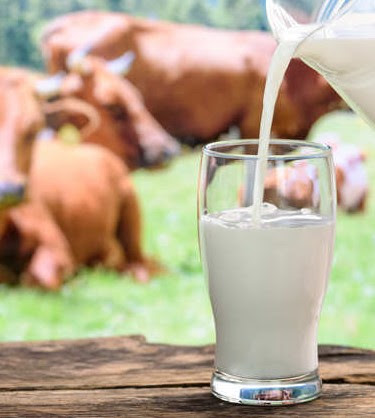
One of the common and important off-flavors in milk is hydrolytic rancidity or lipolyzed flavor. The enzymes responsible for the detrimental effects of lipolysis are of two main types: those indigenous to milk, and those of microbial origin. The major indigenous milk enzyme is lipoprotein lipase.
The rancidity results from hydrolytic cleavage of fatty acids from milk fat by the enzyme lipase and their release as free acids. The release of these acids in milk, even in very small amounts, imparts a bitter taste and a sharp, unpleasant aroma.
Hydrolytic rancidity in rice bran and milk
Food science is the study of food's composition, properties, and interactions with biological and chemical processes. It explores how food is processed, preserved, and safely consumed. By combining biology, chemistry, and nutrition, food science improves food quality, enhances flavor, and ensures safety for global consumption.
The Most Popular Post
-
Anethole is primarily extracted from plants like anise, fennel, and star anise through various methods, with steam distillation and solvent...
-
Vegetables are crucial for maintaining good health due to their rich nutrient profile. Historically, plant-based foods have been integral to...
-
Crude fiber is a measure of the quantity of indigestible cellulose, pentosans, lignin, and other similar components present in foods. It rep...
-
Protein C and protein S are glycoproteins, predominantly synthesized in the liver, that are important components of the natural anticoagulan...
-
Solid/liquid extraction is sometimes called leaching. When the soluble component is incorporated in a liquid, liquid/liquid extraction may b...
