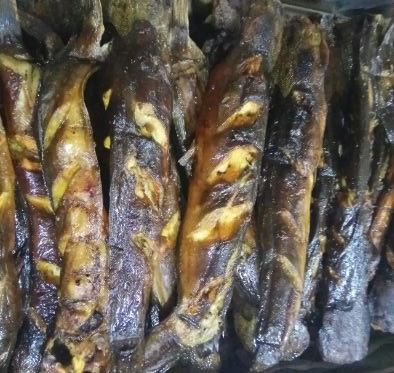
Smoking is still widely used in fish and meat and some other foods. The smoking process allows cured meats, poultry, game and seafood to be subjected to smoke in a controlled environment. The smoke is produced by smoldering hardwood chips, vines, herbs, fruit skins, or spices.
While smoking process, some reactions occur between food and smoke. After smoking process, a second covering shell occurs in food or meat products. Smoking operation which adds some volatile compounds to the product inhibits bacterial growth and gives a specific taste to the product. This smoke influences the flavor, aroma, texture, appearance and shelf life of foods. The process can be performed at temperatures that range generally from 65°F to 250°F.
Food smoking is part of a revival of old crafts and traditional foods, and an increase in food awareness – people want to know what's in the food they are eating. The trend is towards high-quality ‘slow’ food, with local, natural ingredients free from chemical additives. Smoking is a way for farmers, smallholders, hunters and fishermen to make use of large amounts of meat or fish at certain times of the year.
Meats and fish are the most common smoked foods, though cheeses, vegetables, and ingredients used to make beverages such as beer, smoked beer, and lapsang souchong tea are also smoked.
Food preservation technique: Smoking