Barley (Hordeum vulgare L.) is the fourth most important cereal
crop, after maize, wheat and rice. Barley has been cultivated for at
least 8,000 years. It is believed by most, though not all archeologists
to have been first cultivated in the Fertile Crescent, an area that
includes parts or all of what is presently Iraq, Iran, Israel, Syria and
Turkey.
Barley is known to be a rich source of ß-glucan soluble
fibre. While most other grains have lower fiber in the endosperm than
the whole grain, the soluble ß-glucan in barley endosperm is comparable
to that of whole grain. Whole barley grain consists 4% to 9% B-glucan.
There
is strong evidence that barley β-glucans can lower blood cholesterol
levels, thereby reducing the risk of coronary heart disease. Both Canada
and the U.S. allow manufacturers to make a heart-health claim for foods
containing barley. Fiber content Β-glucan also has been shown related
to weight reduction, decreasing blood pressure, and blood glucose in
Type 2 diabetes and preventing colon cancer.
Besides its high
level of β-glucan soluble fibre, barley is an excellent source of
insoluble fibre important in maintaining digestive health and also
protecting against colon cancer.
Total dietary fiber ranges from
11% to 34% and soluble dietary fiber from 3% to 20%. Hull-less or
de-hulled barley grain contains 11% to 20% total dietary fiber, 11% to
14% insoluble dietary fiber and 3% to 10% soluble dietary fiber.
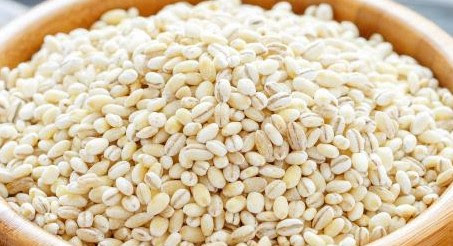
Barley: Rich source of dietary fiber
Food science is the study of food's composition, properties, and interactions with biological and chemical processes. It explores how food is processed, preserved, and safely consumed. By combining biology, chemistry, and nutrition, food science improves food quality, enhances flavor, and ensures safety for global consumption.
The Most Popular Post
-
Food irradiation has generally come to describe the use of ionizing radiation, an energetic charged particles such as electrons and alpha pa...
-
Chickpea (Cicer arietinum L), the third most important pulse crop in the world after beans and field peas, is a source of high quality prote...
-
Staphylococcal food poisoning (SFP) is an intoxication and one of the most common food-borne diseases results from the ingestion of staphylo...
-
A food allergy is an immune system response that creates antibodies to attack substances in a food that human immune system recognized as ‘f...
-
The term terpene, proposed by Dumas in 1866, originates from the Latin word ‘turpentine’ ( Balsamum terebinthinae ), a liquid extract from p...
