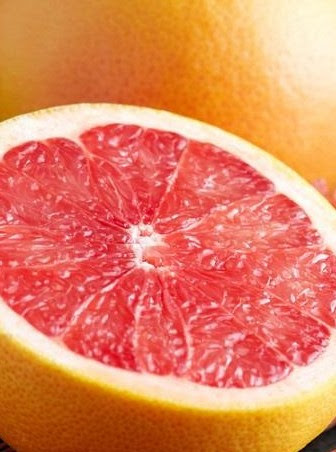
Naringenin is one of the most important naturally-occurring flavonoid, specifically a flavanone, predominantly found in some edible fruits, like citrus fruits (such as grapefruits, oranges, and tomatoes), bergamot, tomatoes and other fruits, being also found in its glycosides form (mainly naringin). Grape-fruits juice is a rich source of naringin, a glycon of naringenin which present up to 800 mg/litre of juice.
The glycosides of naringenin are narigin and narirutin, the former being the bond of a neohesperidose and the latter a rutinoside. Naringin provides a bitter flavour in grapefruit and sour orange. Narirutin provides a sweet flavour in grapefruit, sweet orange, tangerine, and tangor.
Both naringin and naringenin are strong antioxidants (32,33); however, naringin is less potent compared with naringenin because the sugar moiety in the former causes steric hindrance of the scavenging group.
Chemically named as 2,3-dihydro-5,7-dihydroxy-2-(4-hydroxyphenyl)-4H-1-benzopyran-4-one, naringenin shows a molecular weight of 272.26 (C15H12O5).
This widely distributed molecule, naringenin is insoluble in water and soluble in organic solvents, like alcohol. Within the flavonoids class, naringenin is a flavanone that derives from naringin or narirutin (its glycone precursor) hydrolysis.
Naringenin is one of the flavonoids which is produced from phenylalanine and has many beneficial effects on the human body. Several biological activities have been ascribed to this phytochemical, among them antioxidant, antiviral, antibacterial, antiadipogenic and cardioprotective effects. Naringenin also possesses the ability to inhibit oxidative stress and inflammation and has anti-inflammatory and anticancer properties.
It also inhibits the osteoclastogenesis and resorption of osteoclastic bone in the human body.
Naringenin
Food science is the study of food's composition, properties, and interactions with biological and chemical processes. It explores how food is processed, preserved, and safely consumed. By combining biology, chemistry, and nutrition, food science improves food quality, enhances flavor, and ensures safety for global consumption.
Monday, October 18, 2021
The Most Popular Post
-
Anethole is primarily extracted from plants like anise, fennel, and star anise through various methods, with steam distillation and solvent...
-
Phytochemicals are traditionally categorized as either primary or secondary metabolites based on their function in plant metabolism. This di...
-
Navel oranges are not only delicious but also packed with numerous nutritional benefits that contribute to overall health and well-being. T...
-
Microbial Grouping The microbial groups important in foods consist of several species and types of bacteria, yeasts, molds and viruses. Bact...
-
Allergy is derived from the Greek word for ‘other’. An antigen is a small part of a larger molecule that is capable of provoking an immune r...
