Peanut allergy is considered a major cause of life-threatening hypersensitivity reactions and it is estimated to affect 4 to 8% of children and 1 to 2% of adults.
Peanut allergy, a type of external hypersensitivity, is an abnormal immune response to peanut. In this type of reaction, the immune system is inappropriately triggered by an allergen, which is a food protein or a non-amino acid portion of a protein, such as carbohydrate.
Allergy to peanut usually is lifelong and the allergic symptoms happen throughout the body, from the minor symptoms such as itching tongue or abdominal pain to major systematic reactions or anaphylaxis.
Peanut allergy is the most common cause of food-induced anaphylaxis, a medical emergency which characterized by life-threatening upper airway obstruction, bronchospasm and/or hypotension.
Anaphylaxis is uncommon but not rare, it signs and symptoms can include:
*Constriction of airways
*Inflammation of the throat that makes it difficult to breathe
*Hypotension or a severe drop in blood pressure
*Rapid pulse
*Dizziness, lightheadedness or loss of consciousness
In peanut-induced anaphylaxis IgE reacts with peanut allergens to release messengers such as histamine.
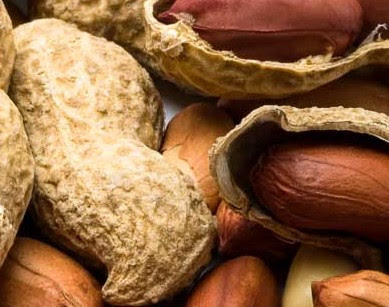
Peanut Allergy
Food science is the study of food's composition, properties, and interactions with biological and chemical processes. It explores how food is processed, preserved, and safely consumed. By combining biology, chemistry, and nutrition, food science improves food quality, enhances flavor, and ensures safety for global consumption.
Monday, November 22, 2021
The Most Popular Post
-
Anethole is primarily extracted from plants like anise, fennel, and star anise through various methods, with steam distillation and solvent...
-
Vegetables are crucial for maintaining good health due to their rich nutrient profile. Historically, plant-based foods have been integral to...
-
Crude fiber is a measure of the quantity of indigestible cellulose, pentosans, lignin, and other similar components present in foods. It rep...
-
Protein C and protein S are glycoproteins, predominantly synthesized in the liver, that are important components of the natural anticoagulan...
-
Solid/liquid extraction is sometimes called leaching. When the soluble component is incorporated in a liquid, liquid/liquid extraction may b...
