The term sugar describes the chemical class of carbohydrates (qv) of the general formula Cn(H2O)n-1 or (CH2O)n for monosaccharides. Sugar is a building blocks of carbohydrates and it is naturally found in many foods such as fruit, milk, vegetables and grain, another kind of sugar is added sugar which can be founded in flavored yogurt, sweetened beverages, baked goods and cereals, and it is used widely in industry.
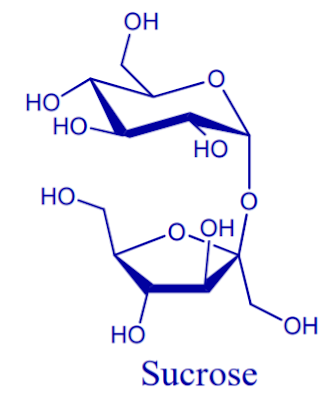
To most people, “sweet” is synonymous with table sugar (sucrose), which is derived from sugarcane or sugar beets and contains 16 calories per teaspoon. Colloquially, sugar is the common name for sucrose, the solid crystalline sweetener for foods and beverages.
The sweet taste of sucrose is its most notable and important physical property and is regarded as the standard against which other sweeteners (qv) are rated. Sweetness is influenced by temperature, pH, sugar concentration, physical properties of the food system, and other factors.
Sucrose is a simple carbohydrate and occurs naturally in plants because they make sucrose via photosynthesis. The highest concentrations of sucrose are found in sugar cane and sugar beets, in amounts ranging from 12–15 and 13–20% by weight, respectively. Sugar cane and sugar beets are the main sources for making commercial sugar. .
Table sugar – sucrose
Food science is the study of food's composition, properties, and interactions with biological and chemical processes. It explores how food is processed, preserved, and safely consumed. By combining biology, chemistry, and nutrition, food science improves food quality, enhances flavor, and ensures safety for global consumption.
The Most Popular Post
-
Anethole is primarily extracted from plants like anise, fennel, and star anise through various methods, with steam distillation and solvent...
-
Protein C and protein S are glycoproteins, predominantly synthesized in the liver, that are important components of the natural anticoagulan...
-
Solid/liquid extraction is sometimes called leaching. When the soluble component is incorporated in a liquid, liquid/liquid extraction may b...
-
Water in Food Preservation and Shelf Life Drying and freezing are common food preservation techniques. Foods are dehydrated or frozen the av...
-
Food contamination by various agents can result in over 250 distinct foodborne diseases, posing a significant public health and economic cha...